
In This Article
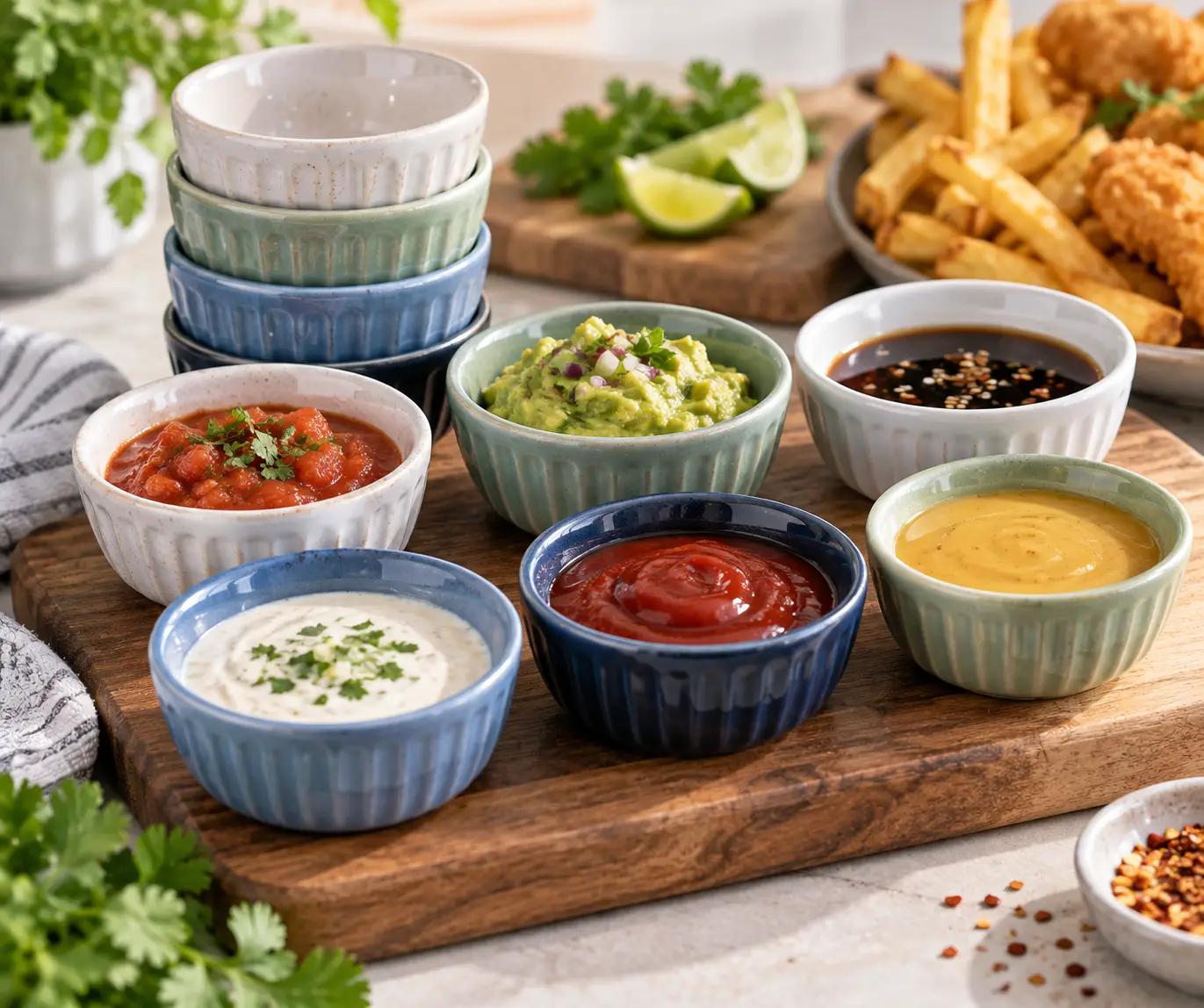
If your cabinet is stuffed with mismatched saucers and the occasional chipped ashtray doing double duty at taco night, you’re not alone. Small dipping bowls are one of those quietly essential kitchen items nobody thinks to buy until they’re standing in the kitchen holding a spoonful of guacamole with nowhere to put it. This guide breaks down what actually separates a great set of small dipping bowls from a flimsy one, walks through seven real options available on amazon.com, and gives you the buying framework to pick the right set for your table.
Disclosure: This article contains affiliate links. As an Amazon Associate, we may earn a commission from qualifying purchases, at no additional cost to you. Per the FTC’s Endorsement Guides, we want that relationship to be clear before you read another word.
Small dipping bowls are compact serving dishes, typically 2 to 4 ounces, designed to hold single-portion sauces, condiments, or dips at the table. They range from basic 3-ounce porcelain saucers under $15 to oven-safe stoneware ramekins that double as baking dishes. The right pick depends less on looks and more on material, capacity, and whether you need them to survive a dishwasher and an oven rotation. Below, we compare seven real sets, dig into what the specs actually mean for your kitchen, and flag the mistakes that lead most people to rebuy within a year.
What Are Small Dipping Bowls?
Small dipping bowls are individual-portion serving dishes — usually round or oval, 2 to 4 inches across, holding 1.5 to 4 fluid ounces — used to serve sauces, condiments, or dips separately from the main plate. The category overlaps with ramekins, pinch bowls, and soy sauce dishes, though true ramekins are typically oven-safe and slightly deeper, built for both baking and serving.
That distinction matters more than it sounds. A bowl labeled “dipping bowl” is not automatically oven-safe, while a “ramekin” almost always is. If you want a set that pulls double duty — crème brûlée on Saturday, ketchup on Sunday — you need the ramekin-style construction, not the thin decorative kind.
Quick Comparison: Small Dipping Bowls at a Glance
| Product | Material | Capacity | Set Size | Best For |
|---|---|---|---|---|
| DOWAN Soy Sauce Dish Set | Porcelain | 3 oz | 6 | Everyday budget use |
| LE TAUCI Ramekins | Ceramic | 4 oz | 4–6 | Bake-and-dip versatility |
| Sweese 504.001 Ramekins | Porcelain | 4 oz | 6 | Entertaining and dessert |
| vancasso Bohemian Bowls | Ceramic | 2.7 oz | 6 | Colorful, casual table settings |
| Anchor Hocking Glass Prep Bowls | Glass | 4–6 oz | 4–10 | Stain- and odor-resistant use |
| MALACASA Porcelain Ramekins | Porcelain | 2.5 oz | 6 | Bulk budget buying |
| Le Creuset Stoneware Pinch Bowls | Stoneware | 2 oz | 6 | Gifting and premium presentation |
Looking at the table, the split comes down to material and purpose more than price. Porcelain sets like DOWAN Soy Sauce Dish Set and MALACASA Porcelain Ramekins dominate the budget tier because porcelain is cheap to mass-produce and still chip-resistant enough for daily rotation. If double-duty baking matters to you, LE TAUCI Ramekins and Sweese 504.001 Ramekins justify their higher price with genuine oven safety, while Le Creuset Stoneware Pinch Bowls sits alone at the top for buyers who want dishwasher-safe stoneware built to Le Creuset’s decades-long durability standard.
💬 One click helps other shoppers make an informed choice too! 😊
Top 7 Small Dipping Bowls: Expert Picks and Analysis
We researched real spec sheets, aggregated customer review sentiment, and current Amazon availability to land on these seven sets. Coverage spans entry-level porcelain through premium stoneware, so there’s a realistic option whether you’re outfitting a first apartment or restocking a home that hosts often.
1. DOWAN Soy Sauce Dish Set — best value for everyday soy sauce dipping bowls
The DOWAN Soy Sauce Dish Set is the set most people land on first, and for a simple reason: six 3-ounce porcelain dishes cover sushi night, ketchup, and everything in between without a big spend. Each dish measures roughly 4.6 by 3.2 inches, high-fired for chip resistance, and is rated dishwasher, microwave, oven, and freezer safe — a fuller safety spread than most bowls at this price actually offer. Reviewers consistently report that the dishes hold up well to repeated dishwasher cycles without dulling, and the set carries a strong aggregated rating (4.7 out of 5 across roughly 900 reviews on the standard listing), which is unusually high for a sub-$15 kitchen accessory.
What most buyers overlook with this model is the handle-and-spout detail on some variants — it’s a small thing, but it keeps sauce from dribbling down the side when you’re pouring rather than dipping. Based on comparing the specs against pricier porcelain sets, the wall thickness here is slightly thinner, which is exactly why it’s lighter and cheaper, but also why it’s not the pick if you’re rough on dishware. This is the set for renters, students, and anyone building a kitchen from scratch who needs reliable small dipping bowls without a premium price tag.
Pros:
- ✅ Full oven, microwave, freezer, and dishwasher safety
- ✅ High review volume with a consistently strong rating
- ✅ Compact 3 oz size fits most single-serving sauces
Cons:
- ❌ Thinner porcelain walls than premium competitors
- ❌ Only one neutral colorway available in the base set
Price typically runs in the $10–$15 range for a set of six, and at that price, the value-for-money verdict is hard to beat for a starter set.
2. LE TAUCI Ramekins — best dual-purpose bake-and-dip design
LE TAUCI Ramekins solve a specific problem: most “dipping bowl” sets aren’t actually rated for oven use, and this one is. At 4 ounces per dish and genuinely oven-safe ceramic construction, these ramekins move from the oven (crème brûlée, mini pot pies, baked eggs) straight to the table as a serving dish for salsa or aioli without a second purchase. The glaze is a straightforward matte-to-glossy white finish that resists staining from tomato-based sauces, which is a common failure point for cheaper glazes.
Here’s what the spec sheet doesn’t say, but reviewers reveal: several sets ship with silicone lids on select variants, turning the ramekins into mini meal-prep containers you can also refrigerate — a genuinely useful crossover most competitors don’t offer. Based on comparing this to the Sweese option below, LE TAUCI runs slightly smaller in typical set size (commonly sold in 4-packs versus 6-packs), so if you’re hosting larger groups, plan to buy two sets. For a household that bakes individual desserts regularly and wants the same dish to double as a dip bowl, this is the strongest single-purpose-to-dual-purpose upgrade on this list.
Pros:
- ✅ True oven safety, not just microwave/dishwasher claims
- ✅ Some variants include silicone storage lids
- ✅ Stain-resistant glaze holds up to acidic sauces
Cons:
- ❌ Commonly sold in smaller 4-piece sets
- ❌ Slightly deeper profile than dedicated dipping-only bowls
Expect to pay in the $15–$22 range depending on set size and color, which is a fair trade for genuine dual-purpose use.
3. Sweese 504.001 Porcelain Ramekins — best for entertaining and dessert crossover
The Sweese 504.001 Porcelain Ramekins are a set of six 4-ounce oval dishes that Sweese specifically engineered for crème brûlée, which is exactly why they excel as dipping bowls too: the shallow, wide-mouthed oval shape maximizes surface area for dipping chips or vegetables rather than pooling sauce in a deep well. Reviews consistently report the color options (Sweese sells assorted bright glazes alongside white) as a standout, letting hosts color-code sauces for guests with allergies or preferences, which is a genuinely practical entertaining trick most competitors’ white-only sets can’t replicate.
Based on comparing the specs, the lead-free porcelain construction and 4.5-star aggregate rating across more than 1,300 reviews signal a consistency in manufacturing quality that budget porcelain brands often lack — fewer reports of warping or glaze bubbling. What most buyers overlook is that the oval shape, while great for dipping, holds slightly less usable volume than a round 4-ounce bowl of the same rated capacity, since the shallow depth caps how much sauce sits comfortably without spilling. This is the pick for anyone who entertains semi-regularly and wants a set that looks intentional on a table, not just functional.
Pros:
- ✅ Shallow oval shape ideal for actual dipping motion
- ✅ Wide color selection for visual organization
- ✅ Strong review consistency across 1,300+ ratings
Cons:
- ❌ Shallow depth limits practical sauce volume
- ❌ Priced above basic round porcelain sets
Price generally falls between $18 and $25 for the six-piece set, and given the review consistency, that’s a reasonable value-for-money trade for entertaining-focused buyers.
4. vancasso Bohemian Dipping Bowls — most colorful, casual table presence
vancasso Bohemian Dipping Bowls target a different buyer entirely: someone who wants their small dipping bowls set to double as a decorative accent, not just a functional afterthought. Each 2.7-ounce ceramic bowl in the six-piece set carries a hand-painted-style Bohemian pattern on the interior and exterior, meaning the bowl looks intentional even sitting empty on an open shelf. The pattern is under-glaze, which practically means the color won’t scratch or fade the way a printed-on design would after repeated dishwasher cycles.
Aggregated review sentiment (around 4.2 out of 5 across available listings) points to a common theme: buyers love the look but note the bowls run smaller than expected in person, closer to a generous shot-glass volume than a full sauce cup. Based on comparing this to the plain-white options above, what you’re paying the premium for here is aesthetic variety, not durability or capacity — the ceramic itself is comparable in thickness to mid-tier competitors. This is the set for a host who mixes and matches dishware deliberately, using color to signal different dips at a party spread, rather than someone prioritizing maximum sauce capacity.
Pros:
- ✅ Distinctive hand-painted-style pattern, inside and out
- ✅ Under-glaze color resists fading and scratching
- ✅ Stands out as décor even when not in use
Cons:
- ❌ Smaller usable capacity than the stated 2.7 oz suggests
- ❌ Pattern variety means less uniform set appearance
Typical pricing sits around $14–$18 for six bowls, a fair price for the design work involved, though not the pick if raw capacity is your priority.
5. Anchor Hocking Glass Prep Bowls — best glass alternative to ceramic
Anchor Hocking Glass Prep Bowls are the answer for anyone who’s dealt with a ceramic dipping bowl that permanently stained orange from turmeric-heavy curry or tomato-based sauce. Made from tempered glass and manufactured in the USA, these bowls (commonly sold in 4-ounce and 6-ounce sizes, individually or in multi-packs) are naturally non-porous, meaning they genuinely don’t absorb odors, flavors, or stains the way even good ceramic glazes eventually can with heavy use. The glass is heat-resistant to roughly 248°F, which covers reheating leftover sauce but isn’t a substitute for true oven-safe ceramic if you’re baking directly in the bowl.
What the spec sheet doesn’t say, but user feedback suggests, is that the stackability and nesting design of Anchor Hocking’s prep bowl sets save meaningfully more cabinet space than round ceramic dishes, which don’t nest as cleanly. Based on comparing this to porcelain options, glass is also simply easier to visually confirm as clean — no glaze to hide residue in — which matters for anyone particular about kitchen hygiene. The tradeoff is breakage risk: glass chips and cracks differently than ceramic, often in a single clean break rather than a chip, which reviewers note happens if the bowls are dropped on a hard tile floor.
Pros:
- ✅ Non-porous glass resists stains and odors permanently
- ✅ Nesting design saves real cabinet space
- ✅ Made in the USA with decades of manufacturing history
Cons:
- ❌ Not rated for direct oven baking use
- ❌ Breaks in a clean crack rather than chipping
Individual bowls run about $3–$6 each, with multi-piece sets typically priced $15–$25, making this one of the more affordable ways to avoid ceramic staining long-term.
6. MALACASA Porcelain Ramekins — best budget bulk pack
The MALACASA Porcelain Ramekins set targets buyers who need volume — think meal prep, kids’ snack portions, or hosting larger groups without buying multiple smaller sets. At roughly 2.5 ounces (75 ml) per dish and sold in a six-pack, the ivory-white porcelain is described by the manufacturer as pro-grade and oven-safe up to 450°F, a genuinely high ceiling that exceeds several competitors in this price bracket. The dimensions (about 4.5 inches long, 3 inches wide, 2.75 inches tall) make these slightly deeper than flat dipping saucers, closer to a true mini ramekin shape.
Reviews and available deal listings consistently frame this as a strong price-to-piece-count ratio, especially when purchased on sale, though the smaller individual capacity means you’ll refill more often at a party than with a 4-ounce set. Based on comparing the oven-safe rating against LE TAUCI and Sweese, MALACASA’s stated 450°F ceiling is competitive, but the thinner ivory glaze shows more wear over time in aggregated feedback than the heavier porcelain used by pricier brands. This is the pick when quantity and oven flexibility matter more than long-term glaze durability.
Pros:
- ✅ High oven-safe temperature rating up to 450°F
- ✅ Strong price-per-piece value in the six-pack format
- ✅ Stackable design minimizes storage footprint
Cons:
- ❌ Smallest capacity on this list at 2.5 oz
- ❌ Glaze shows wear faster under heavy daily use
Expect a price range around $10–$14 for the set, occasionally lower during sales, keeping it firmly in budget territory.
7. Le Creuset Stoneware Pinch Bowls — best splurge and gift-worthy set
Le Creuset Stoneware Pinch Bowls sit at the top of this list because the brand’s stoneware construction is built to a different standard than the mass-market porcelain above. The six-bowl, 2-ounce set is made from specialist clays fired at high temperatures, producing a dense, chip-resistant stoneware body with a nonporous, non-reactive glaze rated safe from -20°F to roughly 500°F — meaning these genuinely go from freezer to oven without cracking, a range most competitors on this list can’t match.
Reviews are candid about the tradeoff: buyers consistently note the 2-ounce size runs smaller than expected in person, better suited to salt, spices, or a single spoonful of sauce than a full dipping portion. What most buyers overlook is that you’re not just paying for capacity here — you’re paying for Le Creuset’s glaze durability, which resists the scratching and staining that eventually dulls cheaper glazes after a few years of dishwasher cycles. Based on comparing the price-per-ounce against every other set on this list, this is by far the most expensive option, and it only makes sense if long-term durability, gifting presentation, or brand consistency with existing Le Creuset cookware matters to you.
Pros:
- ✅ Exceptional temperature range from freezer to oven
- ✅ Long-term glaze durability backed by decades of manufacturing
- ✅ Arrives in a gift-ready presentation box
Cons:
- ❌ Smallest capacity relative to price on this list
- ❌ Premium price point compared to porcelain alternatives
Pricing typically falls in the $30–$42 range for the six-piece set, which is a real premium — but for gifting or a buyer building a lasting stoneware collection, the value-for-money case holds up.
Real-World Scenarios: Which Small Dipping Bowls Fit Your Life
Specs only tell half the story — how you’ll actually use the bowls matters more. Here are three common buyer profiles matched to the sets above, based on stated capacity, material, and price point rather than guesswork.
The weeknight home cook on a budget, cooking mostly solo or for a couple, doesn’t need six matching dishes in a premium finish. The DOWAN Soy Sauce Dish Set or MALACASA Porcelain Ramekins cover this use case well: low cost, dishwasher-safe, and enough pieces to portion out two or three sauces without a drawer full of unused dishware. If you’re mostly using these for ketchup, soy sauce, or salad dressing on the side, spending more doesn’t buy you meaningfully more function.
The regular host who entertains monthly or more needs a set that looks put-together and holds up to repeated use without chipping in front of guests. Sweese 504.001 Ramekins or vancasso Bohemian Dipping Bowls fit this profile — enough visual character to feel intentional on a table, with the volume of reviews to back up consistent quality. Budget for roughly $20, and expect the set to last several years of regular rotation.
The baker who wants one set for both dessert and dinner service should prioritize LE TAUCI Ramekins or the Le Creuset Stoneware Pinch Bowls, depending on budget. Both genuinely handle oven heat, so a single set of dishes moves from baking crème brûlée to serving dip at the same dinner party — fewer dishes to own, wash, and store overall.
Common Small Dipping Bowl Problems (and How to Solve Them)
Even a well-reviewed set runs into predictable issues. Here’s how to head off the most common complaints before they happen.
Problem: Sauce stains linger in the glaze after a few months. This is almost always a porous or lower-fired glaze issue, common in budget porcelain. Solution: hand-wash acidic sauces (tomato, turmeric-based) promptly rather than letting them sit, or switch to Anchor Hocking Glass Prep Bowls, which are naturally non-porous and don’t stain the way glazed ceramic eventually can.
Problem: Bowls tip over or slide on a table during a party. Lightweight porcelain dishes like the base DOWAN Soy Sauce Dish Set are easy to bump. Solution: group bowls tightly on a small tray or platter rather than spacing them across the table — the tray adds friction and contains any spills.
Problem: A bowl cracks when moved straight from the freezer to the oven. Not every “oven-safe” bowl is rated for that specific thermal swing. Solution: check the manufacturer’s stated temperature range before doing a freezer-to-oven transfer; Le Creuset Stoneware Pinch Bowls are explicitly rated for that swing, but several budget ceramic sets are not.
Problem: You never have enough bowls for a party of eight or more. Most sets top out at 4 to 6 pieces. Solution: buy two smaller sets in complementary colors rather than hunting for a rare 10-or-12-piece set, or supplement a premium set like Sweese with a budget set like DOWAN for overflow needs.
Problem: Glaze starts showing hairline crazing after a year of dishwasher use. This is a manufacturing-quality issue tied to firing temperature. Solution: hand-wash your nicest set occasionally instead of running it through the dishwasher every time, and reserve daily dishwasher cycles for your budget backup set.
Getting the Most from Your Dipping Bowls: Care and the First 30 Days
New dishware has a break-in period, and how you treat it in the first month affects how long the glaze stays glossy and stain-free.
Start by hand-washing a brand-new set once before its first use, even if it’s labeled dishwasher-safe — this clears any manufacturing residue from shipping and packaging that a first dishwasher cycle alone sometimes doesn’t fully rinse away. For the first several uses, avoid extremely acidic or heavily pigmented foods (beet-based dips, turmeric, bright curry sauces) until you’ve confirmed how the specific glaze responds; most hold up fine, but it’s a low-cost way to catch a problem early rather than after a stain has set in.
Stack bowls with a thin cloth or paper towel between them if they nest tightly — bare ceramic-on-ceramic contact during storage is a common, quiet source of the fine surface scratches that eventually dull a glossy glaze. If a set includes both oven-safe and decorative-only pieces (common in mixed collections), keep a sticky note or marker dot on the bottom of the non-oven-safe pieces until you’ve memorized which is which; this single habit prevents the most common breakage-in-the-oven mistake reviewers report. Finally, if you own a mixed-material collection — say, both Anchor Hocking Glass Prep Bowls and a ceramic set — store them on separate shelves; glass and ceramic clinking together during unloading is a frequent, preventable chip source.
How to Choose Small Dipping Bowls: 7 Factors That Actually Matter
- Material first. Porcelain is lightest and cheapest but more prone to staining over years of use; stoneware and glass trade a bit of weight for better long-term stain and scratch resistance.
- Oven-safety rating, not just “microwave safe.” If you want dual-purpose baking-and-dipping use, confirm the listing explicitly states oven-safe and at what temperature — don’t assume from dishwasher-safe labeling alone.
- Capacity relative to your use case. A 2-ounce pinch bowl suits spices and a spoonful of sauce; a 4-ounce bowl is the sweet spot for a real dipping portion like guacamole or ranch.
- Set size versus your typical guest count. Buy one to two bowls more than your usual party size — someone always wants a second sauce.
- Glaze quality over glaze color. A glossy, evenly fired glaze resists staining far better than a matte or hand-painted finish, regardless of how attractive the pattern looks in photos.
- Stackability for storage. If cabinet space is tight, prioritize a nesting or stacking design like Anchor Hocking’s glass bowls over bulky individual shapes.
- Price against the amount you’ll actually use them. A $10 six-pack that gets daily use beats a $40 set that sits in a cabinet for special occasions only — match spend to real frequency of use.
Common Mistakes to Avoid When Buying Small Dipping Bowls
The single most common mistake is buying based on photos alone and skipping the capacity listed in ounces — a bowl that looks generous in a styled product photo is often smaller in hand, a complaint that shows up repeatedly in aggregated reviews across nearly every brand on this list. The second mistake is assuming “ceramic” automatically means oven-safe; ceramic is a broad material category, and plenty of ceramic dipping bowls are explicitly rated for dishwasher and microwave use only, not the oven.
A third mistake is under-buying quantity. Reviewers across nearly every set in this guide note wishing they’d bought two sets instead of one once they actually started hosting — six bowls disappears fast once you’re serving more than two sauces. Fourth, buyers frequently skip checking the glaze finish type; a matte finish, while trendy, is generally more porous and prone to staining than a glossy glaze, which matters if you’re serving anything with turmeric, tomato, or beet in the mix. Finally, don’t assume higher price always means better durability — as the comparison above shows, some mid-priced ceramic sets actually carry higher oven-safe temperature ratings than pricier decorative options, so read the actual spec sheet rather than shopping by price tier alone.
Small Dipping Bowls vs Multi-Compartment Trays and Disposable Cups
The most common alternative to a set of small dipping bowls is a single multi-compartment serving tray, and the tradeoff comes down to flexibility versus convenience. A compartment tray is genuinely faster to set out and wash in one motion, but it locks you into a fixed layout and can’t be rearranged, refilled individually, or repurposed as ramekins for baking. Individual small dipping bowls, by contrast, let you swap in more bowls for a bigger party, remove one for a refill without disturbing the rest of the spread, and reuse them for entirely different purposes (baking, meal prep, spice storage) outside of party season.
Disposable paper or plastic cups solve the same immediate problem — portioning sauce — but at a real ongoing cost, both financially and environmentally, since they’re a recurring purchase rather than a one-time investment. A $15 set of ceramic dipping bowls pays for itself within a handful of uses compared to repeatedly buying disposable cups, and it looks considerably more intentional on a table. The one place disposable cups still win is genuinely large outdoor events where breakage risk (glass, ceramic) or cleanup logistics make single-use packaging the more practical short-term call — but for regular at-home use, small dipping bowls are the more economical and more presentable choice in nearly every scenario.
What to Expect: Everyday Performance
On paper, the specs across these seven sets look fairly similar — porcelain or ceramic, 2 to 4 ounces, dishwasher-safe. In daily use, the differences show up in smaller ways. Lighter porcelain sets like DOWAN Soy Sauce Dish Set feel noticeably easier to grab and set down quickly during a busy dinner service, but that same lightness means they’re more prone to sliding or tipping if bumped on a tablecloth. Heavier stoneware, like Le Creuset Stoneware Pinch Bowls, sits more solidly on the table and resists tipping, at the cost of being a bit more to store and wash by hand if you’re avoiding the dishwasher for that particular set.
Glaze finish affects daily performance more than most buyers expect going in. A glossy glaze, common across Sweese 504.001 Ramekins and LE TAUCI Ramekins, wipes clean with a damp cloth in seconds, even for sticky dips like honey mustard. Matte or textured finishes, as seen on some vancasso Bohemian Dipping Bowls patterns, look striking but take a bit more scrubbing to fully clean, since the texture has more surface area for residue to cling to. None of these differences are dealbreakers, but they add up over months of regular use — which is exactly why aggregated review sentiment, not just spec sheets, is worth reading before you buy.
Small Dipping Bowls for Different Households and Entertaining Styles
A single person or couple cooking mostly on weeknights genuinely doesn’t need six matching bowls in a premium finish — a budget set like MALACASA Porcelain Ramekins or DOWAN Soy Sauce Dish Set covers the realistic use case of one or two sauces a few nights a week, without tying up cabinet space or budget on pieces that sit unused.
Families with kids benefit from slightly more durable, chip-resistant options, since bowls in a busy kitchen inevitably get knocked around during unloading or quick meals. Anchor Hocking Glass Prep Bowls hold up well here because glass, while it can crack, doesn’t chip the way a thin porcelain edge can after repeated bumps against a sink or dishwasher rack — and the non-porous surface means less concern about staining from kid-favorite sauces like ketchup or ranch.
Frequent hosts and entertainers get the most value from a mid-to-premium set that looks deliberate on a table, like Sweese 504.001 Ramekins, paired with a budget backup set for overflow when guest counts run high. The combination — one visually cohesive set for the table, one workhorse set in reserve — solves the “never enough bowls” complaint that shows up repeatedly in aggregated reviews without requiring a single expensive bulk purchase.
Long-Term Cost and Maintenance
The sticker price is only part of the real cost of ownership here. A $12 porcelain set that needs replacing every 18 months due to staining or chipping can end up costing more over five years than a $35 stoneware set that holds its glaze and resists chips for a decade or longer. Based on the aggregated review patterns across this list, budget porcelain sets like DOWAN Soy Sauce Dish Set and MALACASA Porcelain Ramekins are genuinely good value if you treat them as a 2-to-3-year purchase and don’t mind occasional replacement; they’re not designed as heirloom pieces, and pricing them that way sets the wrong expectation.
Mid-range and premium sets shift that math. LE TAUCI Ramekins, Sweese 504.001 Ramekins, and especially Le Creuset Stoneware Pinch Bowls are built with heavier, better-fired materials that hold their glaze integrity far longer under regular dishwasher use, which is exactly why they cost more upfront. If you host often enough that a set sees weekly use, the cost-per-use math tends to favor the mid-range and premium options within two to three years, even though the initial outlay is higher. Maintenance itself is low across the board — occasional hand-washing of your nicest pieces, avoiding sudden thermal swings unless the piece is explicitly rated for it, and periodic checks for hairline cracks before they turn into a break, ideally caught during routine dishwasher loading rather than mid-use at a dinner party.
Features That Actually Matter (and Ones That Don’t)
Cutting through the marketing language on most listings, a handful of features genuinely affect how a set performs, and several common selling points are mostly cosmetic. Oven-safe rating, glaze glossiness, and actual measured capacity matter — these directly determine what you can cook and serve, and how easy cleanup will be. Stackability matters if your cabinet space is tight, but it’s a convenience feature, not a durability one.
What doesn’t matter nearly as much as listings suggest: exact color name (a “sage green” glaze performs identically to any other color of the same glaze formula), and decorative rim detailing, which looks nice in photos but has no measurable effect on function. “Restaurant-quality” and “chef-grade” labeling on listings are marketing language, not a certification — there’s no industry body that verifies those claims, so treat them as a soft signal at best, not a spec. Focus your comparison shopping on the numbers that are actually independently verifiable: stated capacity in ounces, oven-safe temperature rating, and aggregated review count and score, rather than adjective-heavy product copy.
Safety, Regulations, and Standards
Ceramic and porcelain dinnerware sold in the US falls under FDA oversight for lead and cadmium content, since glazes historically used both metals and can still leach trace amounts under certain conditions. The FDA maintains specific compliance guidance for imported ceramic foodware, including guidance on labeling and lead content in traditional pottery, and reputable brands selling on amazon.com generally test to these action levels as standard practice, particularly for major names like Sweese, Le Creuset, and Anchor Hocking.
That said, published research has found real variability across the ceramic dinnerware market. A peer-reviewed study on lead and cadmium extraction from newly purchased ceramic and melamine dinnerware found that a meaningful minority of imported patterns tested exceeded FDA or California Proposition 65 limits, even among products sold new in US retail. The practical takeaway isn’t to avoid ceramic dipping bowls altogether — it’s to favor established brands with transparent material sourcing over unbranded ultra-budget listings with no verifiable manufacturer information, especially for anything that will regularly hold acidic foods like tomato sauce or citrus-based dips, which are more effective at leaching trace metals than neutral foods. Glass options like Anchor Hocking sidestep the glaze question entirely, which is part of why they’re worth considering if this is a specific concern for your household.
✨ Don’t miss these exclusive deals!
✨ Don’t miss these exclusive deals!
🔍 Take your kitchen setup to the next level with this carefully curated lineup of small dipping bowls. Click a highlighted pick to check current pricing and availability on amazon.com. These picks will help you serve sauces, sides, and snacks the whole table will actually enjoy!
Frequently Asked Questions
❓ What size should small dipping bowls be?
❓ Are ceramic dipping bowls microwave and dishwasher safe?
❓ How many dipping bowls do I need for a party?
❓ Can dipping bowls go in the oven?
❓ What's the difference between a ramekin and a dipping bowl?
Conclusion
Small dipping bowls are a small purchase with an outsized effect on how put-together your table actually looks and functions. For most households, a budget porcelain set like the DOWAN Soy Sauce Dish Set covers 90 percent of real use cases at a genuinely low price. If you bake individual desserts regularly, LE TAUCI Ramekins or Sweese 504.001 Ramekins earn their higher price with real dual-purpose function. Buyers who want a set that resists staining permanently should look at Anchor Hocking Glass Prep Bowls, and anyone building a long-term, gift-worthy collection should consider the Le Creuset Stoneware Pinch Bowls despite the premium.
Whichever set you choose, match the capacity and oven-safety rating to how you’ll actually use it, not just how it photographs. A set that fits your real cooking and hosting habits will get used for years; one bought on looks alone tends to end up in the back of a cabinet within a season.
✨ Ready to upgrade your table setup?
🔍 Browse the full lineup of small dipping bowls above and check current pricing on amazon.com. A few extra bowls now means one less scramble the next time you’re hosting!
Recommended for You
- Mini Glass Containers With Lids: 7 Best Picks (2026 Guide)
- 7 Best Microwave Pots and Pans for 2026 (Safe & Non-Toxic Picks)
- 8 Oz Mason Jars With Lids: 7 Best Picks for 2026 (Buyer’s Guide)
Disclaimer: This post contains affiliate links. As an Amazon Associate, I earn from qualifying purchases made through these links, at no additional cost to you.
✨ Found this article helpful? Share it with someone who needs it! 💬🤗