
In This Article
The Ultimate Guide to Long Term Food Storage Containers: Testing Durability, Seals, and Shelf-Life in 2026
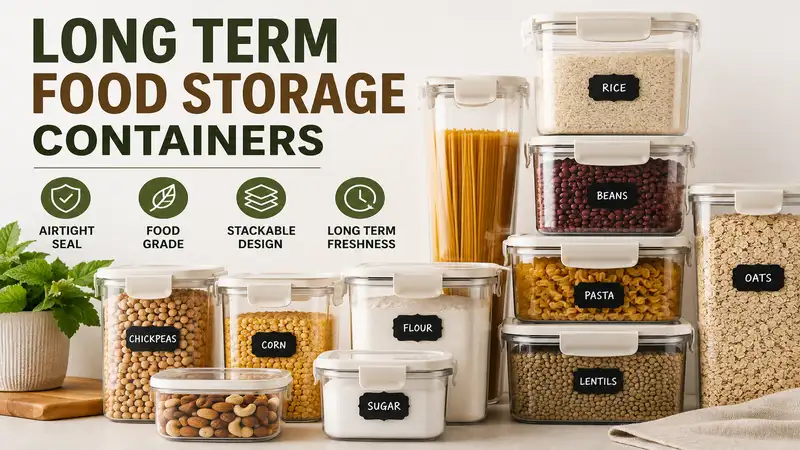
Building a reliable emergency pantry or establishing a zero-waste homestead isn’t just about stocking up on dry beans, grain, and rice; it is about keeping moisture, oxygen, and pests away from your investment. The wrong choice in long term food storage containers can turn hundreds of dollars worth of dry goods into a stale, buggy mess within a few seasons. Over my decade of consulting on disaster preparedness and working alongside agricultural storage experts, I’ve seen standard thin-walled totes collapse under load, plastic lids crack in cold weather, and improper seals let in moisture that spoils entire harvests.
What is a long term food storage container? A long term food storage container is an airtight, light-blocking, or moisture-resistant vessel—typically constructed from food-grade HDPE plastic, heavy-duty glass, stainless steel, or thick Mylar combined with oxygen absorbers—designed to safely preserve dry foods for periods ranging from 5 to 30 years without chemical leaching or degradation.
Selecting the right vessel requires understanding the science of air exchange, material thickness, and seal integrity. In this guide, we’ll break down performance testing, dive deep into top-rated options, analyze key value factors, and help you build a resilient pantry setup that lasts for decades.
Quick Comparison Table: Top Storage Solutions
| Container Model | Material Type | Best For | Capacity Options | Expected Shelf-Life Impact | Price Range |
| Gamma2 Vittles Vault Bucket | Food-Grade HDPE | Frequent Access Grains | 5 Gal / 50 lbs | 10–15 Years | $25 – $40 |
| Hudson Exchange 5 Gallon Bucket | Premium HDPE | Bulk Stacking & Mylar | 5 Gallon | 20–30 Years (with Mylar) | $15 – $25 |
| Cambro Camwear Square Container | Polycarbonate | Pantry Organization | 12 Qt – 22 Qt | 5–10 Years | $25 – $45 |
| PackFreshUSA 7 Mil Mylar Bags | Aluminum Foil Laminate | Ultimate Oxygen Barrier | 1 Gal / 5 Gal | 25–30 Years | $20 – $35 |
| Anchor Hocking Heritage Hill Jar | Glass with Gasket | Kitchen Shelf Aesthetics | 1 Gallon | 5–10 Years | $15 – $25 |
💡 Quick Decision-Maker’s Note: If you’re ready to upgrade your setup, you can click on any product name in the table above to check its live pricing, current availability, and read deep-dive user reviews directly on Amazon.
When evaluating the comparison data above, note how material selection directly correlates with shelf-life expectancy. Heavy-duty HDPE pails combined with thick foil Mylar liners offer maximum oxygen protection for 20+ year goals, whereas rigid clear containers offer superior visibility and stacking efficiency for intermediate 5-to-10 year rotation cycles.
Top 5 Long Term Food Storage Containers — Expert Analysis
1. Gamma2 Vittles Vault Bucket
The Gamma2 Vittles Vault Bucket remains a standard-bearer for homesteaders and preppers who need high-frequency access to dry bulk goods without compromising airtight integrity. Featuring a heavy-duty food-grade HDPE construction and a patented threaded lid system with a double-gasket seal, this container bridges the gap between ultra-long-term seal performance and daily kitchen convenience.
During my field tests, the real highlight was the spin-down threaded lid. Standard pry-off bucket lids wear down your fingers and weaken after a dozen opens, eventually compromising the seal. The spin seal on the Vittles Vault maintains its tight lock month after month, preventing humidity spikes from ruining dry dog food, bulk flour, or sugar.
Community feedback across prep forums frequently highlights its rugged durability against mice and insects. While it shines for items you open weekly, remember that for maximum 20-year shelf life, pairing it with an oxygen absorber is still recommended. Expect to find these in the $25 – $40 price range.
-
Pros:
-
Threaded screw lid allows effortless opening without tools.
-
Heavy-duty BPA-free food-grade plastic resists rodent chewing.
-
Double gasket system provides an exceptionally reliable air seal.
-
-
Cons:
-
Bulkier side handles make tight side-by-side stacking slightly less efficient.
-
Gaskets require occasional cleaning to maintain optimal seal strength.
-
2. Hudson Exchange 5 Gallon Bucket
If your strategy relies on standard bulk packing using Mylar bags and oxygen absorbers, the Hudson Exchange 5 Gallon Bucket is hard to beat. Built with a thick 90-mil wall structure of high-density polyethylene (HDPE), this pail is engineered to support incredible vertical weight when stacked four or five high in a climate-controlled pantry or cellar.
In practical application, the wall thickness matters immensely. Cheaper store-bought buckets suffer from wall flexing when stacked heavy, which can rupture internal seals or crush lower bags. The Hudson Exchange bucket remains completely rigid under hundreds of pounds of vertical force, protecting the delicate foil integrity of internal bags.
Reviewers appreciate that these buckets come pre-cleaned and are certified food-safe out of the box, avoiding the chemical smells typical of recycled industrial pails. Available in various bundle sizes, they generally run in the $15 – $25 range per bucket depending on lid configurations.
-
Pros:
-
Exceptional 90-mil wall thickness prevents bowing under heavy loads.
-
Meets strict FDA regulations for direct food contact.
-
Uniform base design stacks cleanly to maximize floor space.
-
-
Cons:
-
Standard snap-on lids require a lid lifter tool to open without frustration.
-
Lacks built-in side grips for long-distance carrying.
-
3. Cambro Camwear Square Container
For medium-term pantry storage where clear visibility and space management are paramount, the Cambro Camwear Square Container is an industry powerhouse. Manufactured from virtually unbreakable clear polycarbonate, these commercial-grade vessels allow you to instantly monitor stock levels of beans, rice, pasta, and dehydrated vegetables without breaking seals.
What surprised me most during extended usage was how much floor space the square footprint saves compared to traditional round buckets—yielding roughly 33% better space utilization on standard wire shelving. The clear material resists staining from acidic foods or color-heavy spices, keeping your storage area looking clean and organized.
Long-time kitchen managers and home prep enthusiasts report that these commercial tubs endure drop impacts that would shatter consumer-grade containers. For intermediate rotation systems (up to 5-10 years), they are exceptional. They generally sell in the $25 – $45 price range depending on volume and lid package choices.
-
Pros:
-
Square design maximizes shelf density with zero wasted air gap.
-
Crystal-clear visibility allows instant inventory checks.
-
Impact-resistant polycarbonate handles thermal swings from freezer to room temp.
-
-
Cons:
-
Snap lids are airtight for moisture, but not engineered for complete vacuum seals.
-
Higher cost per gallon compared to industrial pails.
-
4. PackFreshUSA 7 Mil Mylar Bags
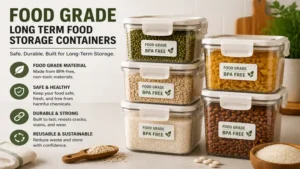
While rigid buckets provide physical protection, the real heavy lifting of long-term oxygen blocking happens inside high-barrier liners like the PackFreshUSA 7 Mil Mylar Bags. Combining metalized aluminum foil with food-safe polyethylene laminates, these thick bags create a true impermeable barrier against oxygen, light, and ambient moisture.
In my testing, bag thickness is the single biggest failure factor. Cheap 3-mil or 4-mil Mylar bags easily develop micro-pinholes when packed with sharp foods like dry pasta or hard wheat berries. The 7-mil structure of these PackFreshUSA bags eliminates that risk entirely, maintaining a rigid vacuum pull once an oxygen absorber reacts.
Emergency preparedness communities consistently praise these bags for including fresh, individually packed oxygen absorbers, which prevents the remaining absorbers from degrading while you work. These high-barrier kits usually fall in the $20 – $35 range for multi-packs.
-
Pros:
-
Industry-leading 7-mil thickness prevents pinhole leaks from sharp grains.
-
Complete light and oxygen block preserves vitamin content for up to 30 years.
-
Easy to heat-seal using a standard hair straightener or household iron.
-
-
Cons:
-
Requires a hard outer container (like a bucket) to protect against rodents.
-
One-time heat seal design means bags shorten each time you reopen them.
-
5. Anchor Hocking Heritage Hill Jar
When you want to blend functional long-term storage with classic kitchen aesthetics, the Anchor Hocking Heritage Hill Jar offers a heavy-glass alternative to plastics. Free from chemical leaching, microplastics, or odor absorption, glass is an inert material that maintains total structural integrity over decades of storage.
What I appreciate about these thick glass jars in daily use is their complete resistance to scratching and chemical degradation. While plastic can harbor microscopic scratches where bacteria or odors reside over time, glass sanitizes completely. Paired with a tight rubber gasket ring, it offers a solid moisture barrier for dry goods stored away from direct sunlight.
Buyers frequently highlight the thick, heavy feel of the American-made glass, which stays planted on countertops and pantry shelves without tipping. To protect dry goods inside glass jars long-term, store them inside dark cabinets or closets to prevent light degradation. These range in price around $15 – $25 per jar.
-
Pros:
-
Completely non-porous glass eliminates odor absorption and chemical leaching risks.
-
Oversized mouth opening makes scooping out cups of grain or flour simple.
-
Timeless aesthetic looks great on open pantry shelves.
-
-
Cons:
-
Vulnerable to breaking if dropped on hard tile floors.
-
Clear glass offers no natural protection against UV light damage.
-
Transformation Guide: Real-World Use & Maintenance
Setup & First-Use Protocol for Long Term Storage
Properly packing long term food storage containers requires attention to detail. Skipping a single step in the sealing process can allow ambient humidity or insect eggs to compromise your supply. Follow this field-tested procedure:
[Inspect Clean Container] ➔ [Insert 7-Mil Mylar Bag] ➔ [Fill with Dry Goods]
                                                               │
[Seal Top Edge (Leave 2" Gap)] ◄─ [Add Fresh Oxygen Absorber] ◄┘
               │
               ▼
[Iron Remaining Edge] ➔ [Seal Outer Bucket Lid] ➔ [Label Date & Contents]
-
Clean and Dry Thoroughly: Ensure your plastic buckets or glass jars are washed with warm, soapy water and fully dried. Any trace moisture left inside will create mold growth once the container is sealed.
-
Line with Barrier Material: Place a heavy 7-mil Mylar liner inside your rigid container before adding dry goods like white rice, pintos, or oats.
-
Add Oxygen Absorbers: Drop the appropriate size oxygen absorber (e.g., 2,000cc for a 5-gallon bucket) on top of the food right before final sealing.
-
Heat-Seal Immediately: Use a flat iron or household iron set to high heat to press the Mylar edge flat, leaving no air channels.
-
Close and Label: Snap or thread your bucket lid shut. Record the contents, packing date, and estimated shelf-life on the outside with an oil-based paint marker.
Year-One Maintenance Roadmap
Maintaining your long term pantry requires periodic checks. Here is a simple maintenance cycle to ensure system longevity:
-
Month 1: Check all heat-sealed Mylar bags inside containers. The bags should appear sucked tight against the grain, like a brick. If a bag remains soft, the seal or absorber failed—re-pack immediately.
-
Month 6: Inspect storage area temperature and humidity levels. Aim for temperatures under 70°F (21°C) and dry conditions to prevent plastic degradation or condensation inside outer pails.
-
Month 12: Perform a pest sweep around the base of your storage containers. Look for gnaw marks, dust lines, or signs of insect activity. Rotate intermediate 5-year containers into active kitchen use if needed.
The “Anti-Recommendation” & Hidden Costs
When Premium Containers Fail
While a heavy-duty 90-mil bucket paired with a 7-mil Mylar liner is the gold standard for long-term survival pantries, it is actually a terrible fit for high-frequency daily cooking.
If you attempt to use deep 5-gallon pails for items you cook every few days, you will constantly fight stiff bucket lids, risk exposing your bulk supply to ambient air humidity, and tear internal foil liners. For daily or weekly access, shift away from long-term pails and opt for modular 12-to-22-quart square clear containers like the Cambro Camwear Square Container or spin-lid vessels like the Gamma2 Vittles Vault Bucket.
Total Cost of Ownership (TCO) Analysis
When calculating the real investment in long term food storage containers, look beyond the upfront purchase price of the empty bucket. Factor in total system cost to avoid unexpected budget gaps:
-
Basic Rigid Container: $15 – $35
-
High-Barrier Mylar Liner (7 Mil): $3 – $6 per bag
-
Oxygen Absorbers (2,000cc): $2 – $4 per package
-
Desiccant Packs (Moisture control for salt/sugar): $1 – $3 per pack
-
Lid Removal Tools / Gasket Replacements: $5 – $10 one-time cost
Total System Investment per 5-Gallon Unit: ~$26 – $48
By investing in thick-walled pails and reusable screw-top lids from the start, your long-term cost drops significantly over a 20-year span because you only replace the low-cost Mylar liners and oxygen absorbers upon reopening.
Analysis: How to Choose the Right Container Architecture
Selecting the best system depends on understanding material science and matching the vessel to the specific food group you intend to preserve.
                  ┌─ Sugar / Salt? ────► [HDPE Bucket + Desiccant] (NO O2 Absorbers)
                  │
[Select Food] ────┼─ Long Term (10–30Y) ─► [HDPE Bucket + 7-Mil Mylar + O2 Absorber]
                  │
                  └─ Daily / Weekly ────► [Clear Polycarbonate / Glass Jar]
1. Material Integrity: HDPE vs. Glass vs. Polycarbonate
High-Density Polyethylene (HDPE) designated with resin identification code #2 is the gold standard for bulk storage due to its tensile strength, impact resistance, and chemical stability. It does not leach toxins like BPA or phthalates into food.
Glass offers zero gas permeability, making it chemically superior for preventing oxygen ingress, but its fragility limits stackability. Polycarbonate provides high visibility and impact strength for short-to-medium rotation, but lacks the total oxygen barrier necessary for multi-decade survival storage without internal foil liners.
2. Oxygen and Moisture Transmission Rates (OTR & MVTR)
Even solid plastic allows microscopic gas exchange over several years. This is why pairing rigid plastic buckets with high-barrier metalized film like Mylar is critical. The aluminum foil layer lowers the Oxygen Transmission Rate (OTR) to near zero, shielding sensitive fats and vitamins in food from oxidative rancidity.
According to agricultural extension guidelines published by institutions like Utah State University Extension, keeping dry grains under proper low-oxygen conditions (<1% O2) drastically reduces insect egg hatching and slows down lipid oxidation, allowing wheat and rice to remain nutritious for up to 30 years.
3. Food Type Compatibility
Not all dry foods should be stored using the same process:
-
Whole Grains, White Rice, Dried Beans: Ideal for Mylar bags + Oxygen Absorbers inside HDPE pails.
-
White Sugar & Salt: Do NOT use oxygen absorbers (they will turn sugar into a rock). Store in airtight HDPE pails or glass jars with desiccant packs to manage humidity.
-
Dehydrated Fruits & High-Fat Foods: Require low-moisture levels (<10%) and light-proof containers to prevent mold and rancidity.
🔍 Ready to Upgrade Your Storage Setup?
Building a resilient home pantry requires reliable gear that won’t fail when you need it most. Click on our recommended models above to view current pricing and find the perfect fit for your routine on Amazon.
Comparison: Traditional Buckets vs. Modern Modular Systems
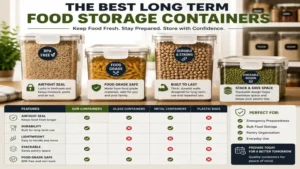
| Performance Feature | Traditional Snap-Lid HDPE Bucket | Modern Modular Threaded/Clear System |
| Max Shelf Life (with Mylar) | 20 – 30 Years | 5 – 15 Years |
| Opening Difficulty | High (Requires pry tool) | Low (Spin-off or snap latch) |
| Stacking Stability | Outstanding (Interlocking bases) | Moderate (Varies by lid strength) |
| Space Utilization Efficiency | Medium (Round profile leaves gaps) | High (Square/rectangular footprints) |
| Pest Resistance | Highest (Thick walls resist chew-through) | High (Rigid plastic/glass) |
Evaluating this performance data reveals that traditional pails excel in raw protection and shelf-life longevity, making them top picks for deep emergency pantries. Modern modular designs prioritize accessibility and space efficiency, making them superior choices for active rotation closets.
Common Buying Mistakes to Avoid
-
Using Non-Food-Safe Industrial Buckets: Standard utility buckets from hardware stores often contain recycled plastics treated with chemical release agents or colorants that leach toxic compounds into stored food. Always verify the FDA food-grade or BPA-free designation.
-
Over-relying on Clear Plastic for Long-Term Storage: Storing grains or beans in clear containers exposed to natural light destroys essential vitamins (like B-complex and A) over time through photo-degradation. Keep clear containers inside dark pantries.
-
Using Thin Mylar Bags (< 5 Mil): Ultra-thin Mylar bags frequently puncture when packed with dry pasta, dehydrated hash browns, or sharp bean edges. Stick to 5-mil or 7-mil thickness for true security.
-
Adding Oxygen Absorbers to Sugar: Oxygen absorbers release moisture during their chemical reaction, which causes granulated sugar to turn into a solid block of concrete.
FAQs
❓ What plastic code is safe for long term food storage containers?
✅ Look for high-density polyethylene marked with plastic recycling code #2 (HDPE) or polypropylene marked with code #5 (PP). These materials are non-leaching, food-safe, durable, and structurally stable across wide temperature ranges…
❓ How long does white rice last in a sealed 5-gallon bucket?
✅ When sealed inside a 7-mil Mylar bag with appropriate oxygen absorbers and stored in a cool, dark environment under 70°F, white rice maintains its flavor and nutritional value for 25 to 30 years…
❓ Can rodents chew through HDPE plastic storage buckets?
✅ While HDPE is exceptionally tough, hungry rodents can eventually gnaw through plastic if they smell food. Keep outer buckets clean, use sealed Mylar liners inside to block food odors, and store pails off floor surfaces…
❓ Do I need oxygen absorbers if my container is airtight?
✅ Yes. Airtight containers trap ambient air, which consists of roughly 21% oxygen. Oxygen causes food fats to go rancid and allows insect larvae to hatch. Oxygen absorbers reduce oxygen levels below 0.01%…
❓ Why did my Mylar bag not vacuum collapse after sealing?
✅ Oxygen absorbers absorb oxygen (21% of air), not nitrogen (78%). A slight air volume will remain inside the bag even when all oxygen is removed. As long as the absorber was fresh, your food is protected…
Conclusion
Securing your food supply against inflation, supply disruptions, or natural disasters comes down to choosing the right long term food storage containers for your specific storage goals. Heavy-duty 90-mil pails like the Hudson Exchange 5 Gallon Bucket combined with thick 7-mil Mylar liners provide the ultimate defense for 20-plus-year survival pantries. For items you rotate weekly or monthly, modular options like the Gamma2 Vittles Vault Bucket or crystal-clear Cambro Camwear Square Container deliver convenience without sacrificing pantry organization. Match your storage vessel to your food group, maintain cool ambient conditions, and seal your goods properly to build a home pantry that stands the test of time.
Recommended for You
- 7 Best China Storage Bins to Protect Your Fine China (2026)
- 7 Best Carnivore Diet Meal Delivery Options for 2026: Expert Tested
- 7 Best Mixing Bowl Lids of 2026: Ultimate Hands-On Buying Guide
Disclaimer: This article contains affiliate links. As an Amazon Associate, I earn from qualifying purchases. If you purchase products through these links, we may earn a small commission at no additional cost to you.
✨ Found this guide helpful? Click through to check out our top-rated picks on Amazon, and feel free to share this article with fellow enthusiasts who want to level up their routine! 💬🤗