
In This Article
High Protein High Fiber Meal Prep: Why This Combo Wins in 2026
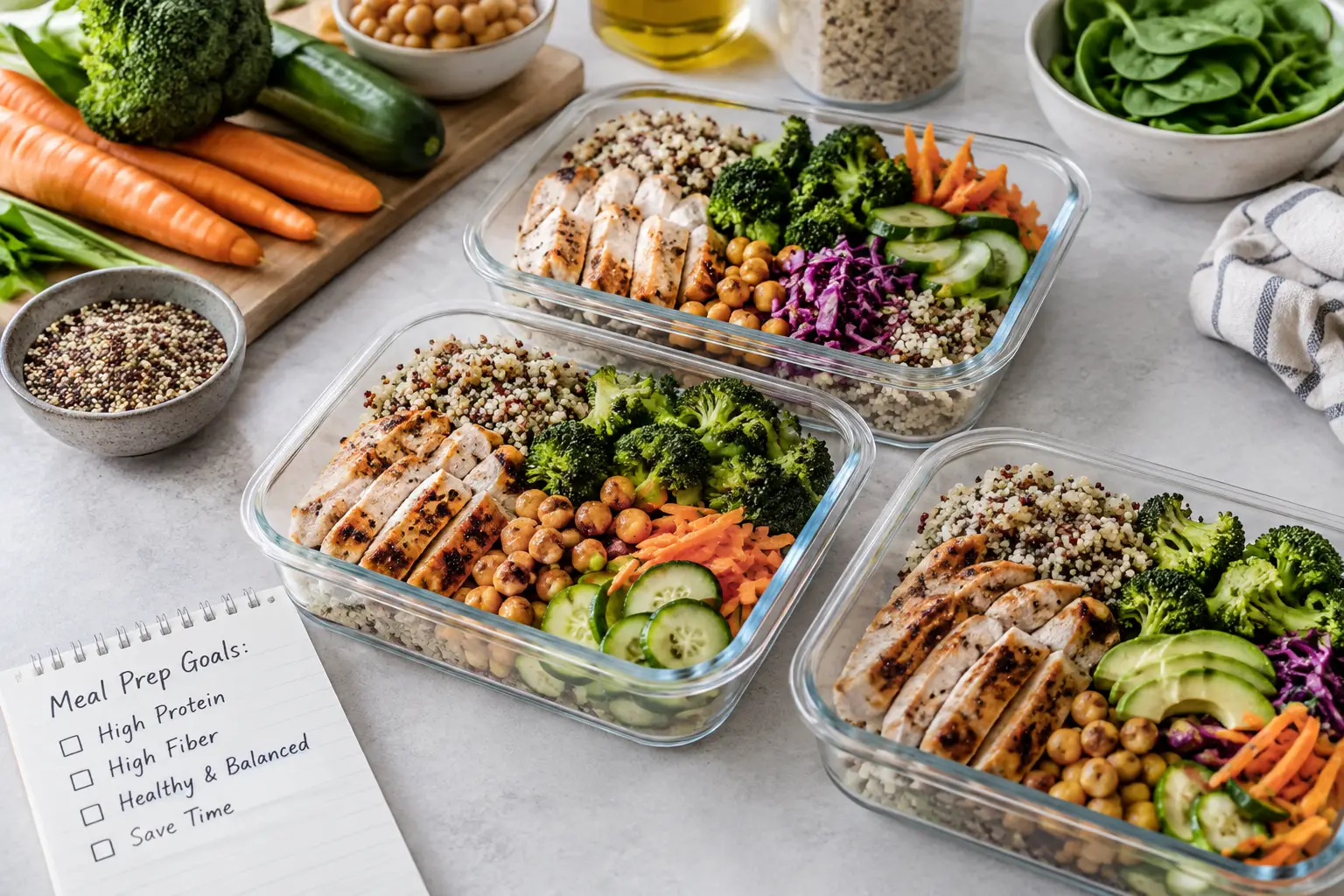
If your meal prep containers are full of chicken and rice every Sunday, and you’re still raiding the snack drawer by 3 p.m., the problem probably isn’t willpower. It’s fiber. High protein high fiber meal prep fixes the missing half of the equation: protein helps you stay satisfied and supports muscle, while fiber slows digestion and adds bulk, so the lunch you packed actually carries you to dinner.
Here’s the catch most people run into. Protein is easy to find. Fiber is not. According to the FDA, the Daily Value for dietary fiber is 28 grams per day on a 2,000-calorie diet, and fiber is one of the nutrients Americans most often fall short on. You can see how the agency frames it in its guide on how to understand and use the Nutrition Facts label. Chicken breast, eggs, and whey shakes deliver protein but zero fiber, which is why so many “healthy” prep plans leave you hungry.
The good news? A new generation of pantry staples, such as legume pastas, textured soy protein, roasted edamame, and whole-grain protein mixes, packs both nutrients into a single ingredient. That makes batch cooking dramatically simpler.
In this guide, you’ll find a side-by-side comparison of seven real staples available on Amazon, honest analysis of what their labels actually mean, a first-week prep plan, and fixes for the most common meal prep fails. No miracle claims, just the numbers and how to use them.
What Is High Protein High Fiber Meal Prep?
High protein high fiber meal prep is the practice of batch-cooking meals in advance so that each portion delivers a meaningful dose of both protein (typically 20–35 grams per meal) and dietary fiber (typically 8–15 grams per meal). It usually relies on legumes, whole grains, soy, vegetables, and seeds to hit both targets at once.
Quick Comparison: The 7 Best Staples at a Glance
| Product | Protein / Serving | Fiber / Serving | Gluten-Free | Best for |
|---|---|---|---|---|
| Explore Cuisine Organic Edamame Spaghetti | 24 g (2 oz dry) | 13 g | Yes | Maximum macros per bowl |
| Tolerant Organic Red Lentil Rotini | ~11–14 g (2 oz dry) | ~6 g | Yes | Allergy-friendly households |
| Banza Chickpea Penne | 11 g (2 oz dry) | 5 g | Yes | Pasta lovers easing in |
| Barilla Protein+ Penne | 10 g (2 oz dry) | 5 g | No | Budget family dinners |
| Bob’s Red Mill TVP | 12 g (¼ cup dry) | 4 g | Yes | Cheap ground-meat swaps |
| Seapoint Farms Dry Roasted Edamame | 13–14 g (⅓ cup) | 6–8 g | Yes | Snack packs and toppers |
| Kodiak Power Cakes Buttermilk Mix | 14 g (½ cup mix) | 5 g | No | Make-ahead breakfasts |
Looking at the table, the Explore Cuisine Organic Edamame Spaghetti sits in a league of its own: roughly double the protein and more than double the fiber of any other pasta here, for fewer calories. But numbers aren’t everything. The Barilla Protein+ Penne and Banza Chickpea Penne taste far closer to traditional pasta, which matters if you’re cooking for skeptical eaters. And notice that the two non-pasta picks, Bob’s Red Mill TVP and Seapoint Farms Dry Roasted Edamame, deliver strong protein per calorie, which makes them the most flexible “add to anything” options.
💬 One click helps other shoppers make an informed choice too! 😊
Top 7 High Protein High Fiber Meal Prep Staples: Expert Analysis
Nutrition figures below come from the products’ published Nutrition Facts panels as listed by the brands and major US retailers at the time of writing. Labels get reformulated, so always double-check the box you actually receive.
1. Explore Cuisine Organic Edamame Spaghetti — highest protein and fiber per serving
If you want the most nutrition per forkful, this is the benchmark. Made from a single ingredient, organic edamame (green soybean) flour, each 2-ounce dry serving lists 24 grams of protein, 13 grams of fiber, and 180 calories, with 0 mg sodium. That fiber figure alone covers about 46% of the Daily Value.
In practice, that means one portion of pasta gets you most of the way to a 30-gram protein lunch before you add any chicken, tofu, or sauce. It also lists 40% of the Daily Value for iron per serving, which is a nice bonus for plant-based eaters.
Based on comparing the specs, this is the pick for macro-focused eaters, people managing carbs, and anyone who finds standard pasta leaves them hungry. The trade-off is flavor and texture: it’s earthy and noticeably “bean-y,” so it pairs best with pesto, peanut sauce, or garlicky stir-fry sauces rather than a delicate butter sauce. Retailer review highlights we found tend to praise the macros and fast cooking time, with buyers noting the taste is good “for what it is.”
Pros:
- ✅ Highest protein and fiber of any pasta reviewed
- ✅ Single organic ingredient, gluten-free and vegan
- ✅ Cooks faster than regular wheat pasta
Cons:
- ❌ Distinct earthy flavor won’t suit every sauce
- ❌ Contains soy, a common allergen
Multipacks generally fall in the $25–$40 range (check the current price); for the macros you get, the value per gram of protein is excellent.
2. Tolerant Organic Red Lentil Rotini — cleanest option for allergy-friendly kitchens
Tolerant’s angle is simplicity: one ingredient (organic red lentil flour), certified gluten-free, and free from major allergens. That makes it unusually useful for shared households where soy, wheat, egg, or dairy are off the table.
The label numbers vary slightly by listing. A recent Whole Foods panel shows 200 calories, 14 grams of protein, and 6 grams of fiber per 2-ounce serving, while the Amazon listing cites 11 grams of protein and 21% of the Daily Value for fiber. Either way, you’re getting roughly double the fiber of regular pasta. The spiral rotini shape is also a quiet meal prep advantage: it grabs sauce and holds up better in cold pasta salads than long noodles.
Here’s what to weigh: it’s less protein-dense than the edamame option, but it’s soy-free, which matters for many buyers. It’s a great pick for school lunches, kids, or anyone following an allergen-restricted diet. We couldn’t verify a consistent aggregated review rating across retailers at the time of writing, so judge it on the label and your own taste test.
Pros:
- ✅ Free from the major food allergens
- ✅ Single ingredient with no gums or binders
- ✅ Rotini shape holds sauce in cold salads
Cons:
- ❌ Lower protein than edamame-based pasta
- ❌ Label figures differ slightly between listings
Six-packs typically run in the $20–$35 range at the time of writing, making it fair value for an organic, allergen-free staple.
3. Banza Chickpea Penne — easiest swap for traditional pasta fans
Banza is the brand that took chickpea pasta mainstream, and its penne is the most “normal” feeling legume pasta on this list. Current Nutrition Facts panels list 190 calories, 11 grams of protein, and 5 grams of fiber per 2-ounce dry serving, with ingredients of chickpeas, pea starch, tapioca, and xanthan gum.
What does that mean at the stove? The added starches help it behave more like wheat pasta, so it’s friendlier in baked ziti or mac-style dishes. The ridged penne shape also survives reheating better than thin shapes. Note that Banza’s own marketing has cited higher figures in the past, so check the panel on your box rather than relying on older blog posts.
Based on comparing the specs, Banza is the bridge product: ideal if your family resists “health pasta” but you still want about 50% more protein and noticeably more fiber than standard semolina. Fitness-focused buyers chasing maximum macros will find the edamame option more efficient. As with Tolerant, we couldn’t confirm a single reliable review aggregate, so we’re basing this on the label and ingredient list.
Pros:
- ✅ Taste and texture closest to wheat pasta
- ✅ Gluten-free and widely available
- ✅ Penne shape reheats well in containers
Cons:
- ❌ Moderate fiber compared with single-legume pastas
- ❌ Added starches mean it isn’t a single-ingredient product
Single boxes typically land around $3–$5, with multipacks in the $15–$30 range; solid value for a crowd-pleasing upgrade.
4. Barilla Protein+ Penne — best budget pick for family meal prep
Barilla Protein+ Penne blends semolina and durum wheat with lentil flour, pea protein, and chickpea flour. The current label lists 190 calories, 10 grams of protein, and 5 grams of fiber per 2-ounce serving, which Barilla frames as 17 grams of protein per 3.5-ounce portion.
The practical meaning is simple: it cooks, tastes, and reheats like the pasta most Americans grew up on, yet still gives you a meaningful bump in both nutrients. Because it contains wheat, it keeps that familiar chew and doesn’t turn mushy the way some 100% legume pastas can when overcooked.
Here’s what to weigh: if you’re feeding kids or picky eaters, or you simply hate the taste of bean pasta, this is the most realistic way to raise the fiber floor of your weekly prep. It’s not suitable for gluten-free diets, and the protein and fiber gains are modest. Barilla’s product listing states it’s Non-GMO Project Verified, kosher, and made in the USA.
Pros:
- ✅ Familiar taste and texture for picky eaters
- ✅ Lowest cost per box in this lineup
- ✅ Holds firm when reheated
Cons:
- ❌ Contains wheat, so not gluten-free
- ❌ Smallest protein and fiber gains on the list
Usually around $2–$4 per box (prices may vary), it’s the best value for families stretching a grocery budget.
5. Bob’s Red Mill TVP — cheapest protein-and-fiber booster per serving
TVP (textured vegetable protein) is defatted soy flour that’s been cooked under pressure and dried into crumbles. Bob’s Red Mill lists 80 calories, 12 grams of protein, and 4 grams of fiber per ¼-cup dry serving, with 0 grams of fat and 0 mg sodium.
Why does that matter for meal prep? Because TVP acts like a sponge. Rehydrate it in seasoned broth and it takes on the texture of ground meat, so you can stretch or replace beef in chili, taco filling, sloppy joes, or pasta sauce. The background on how it’s made, and why it’s so protein-dense, is covered well in this overview of textured vegetable protein.
Based on comparing the specs, this is the most cost-efficient protein source on this list and a smart “extender”: swap half the ground beef in your chili for rehydrated TVP and you add fiber that beef simply doesn’t have. Walmart’s listing showed a 4.7-star average from a couple hundred ratings when we checked, with reviewers consistently noting it has no flavor of its own, so seasoning is everything.
Pros:
- ✅ Very high protein for only 80 calories
- ✅ Stretches ground meat and adds fiber
- ✅ Shelf-stable and produced in a gluten-free facility
Cons:
- ❌ Bland until seasoned properly
- ❌ Must be refrigerated once rehydrated
A 12-ounce pouch usually runs around $5–$10 at the time of writing, which makes it outstanding value for batch cooking.
6. Seapoint Farms Dry Roasted Edamame — best grab-and-go snack and salad topper
Meal prep isn’t only about lunches; snacks are where most plans fall apart. Seapoint Farms Dry Roasted Edamame contains just soybeans and sea salt, and retailer panels list about 130 calories, 13–14 grams of protein, and 6–8 grams of fiber per ⅓-cup serving (figures vary slightly by package version).
In practice, that’s a crunchy snack with roughly the protein of two eggs plus real fiber, with no added oils. It also doubles as a topping: sprinkle it on grain bowls or salads to add crunch and push a container from “fine” to “filling.” The 12-count snack-pack format takes portioning off your plate entirely.
Here’s what to weigh: if you snack on chips or crackers at work, this is a direct upgrade. If you’re watching sodium, check the label, since around 130–150 mg per serving adds up across several packs. A registered-dietitian practice that reviewed it described the sea salt version as crunchy and lightly salted, though a bit dry compared with nuts.
Pros:
- ✅ Two-ingredient, no added oil
- ✅ Pre-portioned packs simplify snack prep
- ✅ Adds crunch and protein to salads and bowls
Cons:
- ❌ Drier texture than roasted nuts
- ❌ Contains soy
The 12-pack of snack bags typically sits in the $10–$15 range; strong value for portion-controlled snacking.
7. Kodiak Power Cakes Buttermilk Mix — easiest high-protein breakfast to batch-cook
Breakfast is the meal most people skip prepping, and Kodiak Power Cakes Buttermilk Mix solves that. Made with 100% whole grain wheat and oat flours plus whey and milk protein, each ½-cup serving lists 190 calories, 14 grams of protein, and 5 grams of fiber when made with water.
Here’s why that matters: you can cook a full batch of pancakes or waffles on Sunday, freeze them flat, and toast them on weekday mornings. Kodiak notes you can raise the protein further by using milk or adding an egg to the batter. Stir a tablespoon of chia seeds into the batter and you add about 4 more grams of fiber.
Based on comparing the specs, this is the best pick for families and busy commuters who need breakfast in under two minutes. A dietitian review we found rated its nutrient density well but flagged the sodium (380 mg per serving). It’s not vegan or gluten-free, since it contains milk and wheat.
Pros:
- ✅ Freezes and reheats perfectly for weekday mornings
- ✅ 100% whole grain flour base
- ✅ Protein can be boosted with milk or eggs
Cons:
- ❌ Higher sodium than the other picks
- ❌ Not vegan or gluten-free
A 20-ounce box is usually around $4–$7, with bulk packs in the $15–$25 range; excellent value per breakfast.
Head-to-Head: Protein, Fiber, and Calories per Serving
| Product | Calories | Protein | Fiber | Fiber %DV | Best for |
|---|---|---|---|---|---|
| Explore Cuisine Organic Edamame Spaghetti | 180 | 24 g | 13 g | ~46% | Lean, high-volume lunches |
| Tolerant Organic Red Lentil Rotini | 200 | ~11–14 g | ~6 g | ~21% | Cold pasta salads |
| Banza Chickpea Penne | 190 | 11 g | 5 g | ~18% | Baked pasta dishes |
| Barilla Protein+ Penne | 190 | 10 g | 5 g | ~18% | Family-style dinners |
| Bob’s Red Mill TVP | 80 | 12 g | 4 g | ~14% | Chili and taco filling |
Here’s the key insight from this table: protein per calorie matters more than protein per serving when you’re prepping for fat loss. The Bob’s Red Mill TVP delivers 12 grams of protein for just 80 calories, the most efficient ratio here, while the Explore Cuisine Organic Edamame Spaghetti wins on fiber density by a wide margin. The Banza Chickpea Penne and Barilla Protein+ Penne are nearly identical on paper, so choose between them based on whether you need gluten-free.
How to Start High Protein High Fiber Meal Prep: Your First Sunday
You don’t need a perfect system. You need a repeatable one. Here’s a realistic 90-minute first session.
Step 1: Pick two proteins and two fiber bases. For example, rehydrated TVP taco filling plus baked chicken thighs, and edamame spaghetti plus a tray of roasted broccoli and chickpeas. Two of each gives you four combinations without cooking eight dishes.
Step 2: Start the slowest items first. Get the oven going with sheet-pan vegetables (400°F, 25–30 minutes) before you boil a single pot of water.
Step 3: Undercook your pasta by 1–2 minutes. Legume pastas keep softening as they sit in sauce and reheat. Rinse briefly and toss with a teaspoon of olive oil so they don’t clump.
Step 4: Batch breakfast while things roast. Make a double batch of protein pancakes, cool them on a rack, and freeze in a single layer before bagging.
Step 5: Portion with a food scale for week one. It’s the fastest way to learn what 2 ounces of dry pasta actually looks like cooked.
Step 6: Build in fiber gradually. If you’re jumping from 15 grams of fiber to 35 overnight, your gut will protest. Increase over a week or two and drink more water. The Harvard T.H. Chan School of Public Health’s guide to fiber is a good primer on why fiber matters and where to get it.
⚡ First-30-days mistake to avoid: prepping seven identical lunches. By Thursday you’ll hate them. Rotate sauces instead of base ingredients: the same pasta tastes completely different with pesto, marinara, or peanut-lime dressing.
✨ Ready to stock your pantry for Sunday prep?
🔍 Take your meal prep to the next level with this carefully curated lineup. Click a highlighted item to check current pricing and availability. These picks will help you build lunches that keep the whole family full until dinner!
Real-World Meal Prep Plans for Three Different Lifestyles
The best staple depends on who’s eating and how. Here are three common profiles and how the products match up.
🧑💼 The Commuting Office Worker (budget: moderate, prep: once a week)
Maya commutes 45 minutes each way and eats lunch at her desk. She needs meals that survive a fridge-to-microwave cycle and snacks that don’t require a fridge at all. Her best combo: Explore Cuisine Organic Edamame Spaghetti with peanut sauce and shredded cabbage for lunch, plus Seapoint Farms Dry Roasted Edamame snack packs in her bag. Reasoning: one lunch container plus one snack pack pushes her well past 35 grams of protein and roughly 20 grams of fiber before dinner, with zero afternoon vending-machine trips.
👨👩👧 The Family of Four (budget: tight, prep: twice a week)
The Johnsons need volume, low cost, and food the kids will actually eat. Their best combo: Barilla Protein+ Penne baked with a beef-and-TVP meat sauce, plus a freezer stash of Kodiak Power Cakes Buttermilk Mix waffles. Reasoning: swapping half the ground beef for Bob’s Red Mill TVP lowers cost per serving and adds fiber, while the familiar wheat pasta keeps dinner complaint-free.
🏋️ The Gym-Goer Cutting Weight (budget: flexible, prep: once a week)
Jordan lifts four days a week and wants high protein without excess calories. Best combo: Bob’s Red Mill TVP chili with black beans for lunches and Explore Cuisine Organic Edamame Spaghetti with chicken for dinners. Reasoning: both deliver exceptional protein per calorie, and the fiber keeps hunger manageable on a calorie deficit.
Problem → Solution: Fixing Common Meal Prep Fails
Problem 1: “My legume pasta turns to mush by Wednesday.” Solution: Cook it 1–2 minutes under the package time, rinse, and store sauce separately. Combine only when reheating. Shapes like rotini and penne (Tolerant Organic Red Lentil Rotini, Banza Chickpea Penne) handle this far better than spaghetti.
Problem 2: “I feel bloated after switching to high fiber meals.” Solution: That’s common when fiber jumps suddenly. Scale up over 1–2 weeks, spread fiber across the day instead of loading it into one meal, and increase water. If symptoms persist, talk to your doctor or a registered dietitian.
Problem 3: “TVP tastes like cardboard.” Solution: Never rehydrate it in plain water. Use hot broth with soy sauce, smoked paprika, cumin, and a splash of vinegar, then brown it in a skillet for texture.
Problem 4: “My frozen pancakes get soggy.” Solution: Cool Kodiak Power Cakes Buttermilk Mix pancakes fully on a wire rack before freezing, and reheat in a toaster, not the microwave.
Problem 5: “I’m bored by Thursday.” Solution: Prep components, not finished meals. Keep two proteins, two bases, and three sauces; mix and match nightly.
How to Choose High Protein High Fiber Meal Prep Staples
Use these seven criteria in order:
- Check fiber first, protein second. Protein is easy to add elsewhere; fiber is the harder nutrient to hit. Look for at least 5 grams per serving.
- Compare protein per calorie, not just per serving. 12 grams in 80 calories beats 14 grams in 200 if you’re managing weight.
- Read the ingredient list for allergens. Edamame and TVP contain soy; Barilla and Kodiak contain wheat.
- Consider reheating behavior. Short, ridged shapes survive the microwave far better than thin noodles.
- Factor in flavor tolerance. A product you won’t eat isn’t a bargain. Picky eaters do better with wheat-legume blends.
- Watch sodium on convenience items. Mixes and snacks can add up quickly across a day.
- Calculate cost per serving, not per box. Bulk TVP or multipacks often cut cost per meal dramatically.
Legume Pasta vs Traditional Wheat Pasta
Traditional semolina pasta isn’t “bad,” but it’s a weak foundation for high protein high fiber meals. According to Explore Cuisine’s own comparison, average wheat-based pasta delivers about 13 grams of protein and 3 grams of fiber per 3.5 ounces, while their edamame version delivers 42 grams of protein and 23 grams of fiber in the same weight.
| Factor | Legume Pasta | Traditional Wheat Pasta | Best for |
|---|---|---|---|
| Protein | Roughly 1.5–3x higher | Baseline | Explore Cuisine Organic Edamame Spaghetti for maximum |
| Fiber | 2–4x higher | Low (~2–3 g per 2 oz) | Tolerant Organic Red Lentil Rotini for clean labels |
| Taste/texture | Earthier, softer if overcooked | Familiar, firm | Barilla Protein+ Penne as a compromise |
| Gluten-free | Usually yes | No | Banza Chickpea Penne for families |
The table makes the trade-off clear: legume pastas win decisively on nutrition, while wheat pasta wins on familiarity. Blended products like the Barilla Protein+ Penne split the difference, which makes them a useful stepping stone. For most meal preppers, the smartest move is rotating, not committing to one forever.
Common Mistakes to Avoid When Buying Meal Prep Staples
Trusting front-of-box claims without reading the panel. “Protein-packed” isn’t a regulated number. The Nutrition Facts panel is. Compare grams per serving, and make sure serving sizes match (2 oz dry vs. 3.5 oz is a big difference).
Ignoring serving-size games. Some brands advertise per 3.5-ounce figures while their label uses 2 ounces. Neither is wrong, but comparing them head-to-head will mislead you.
Buying a giant multipack before a taste test. Legume pastas vary a lot in flavor. Buy one box of two or three brands first, then commit.
Overlooking allergens in shared kitchens. Soy shows up in three of the seven products here. If anyone in your household has a soy allergy, Tolerant Organic Red Lentil Rotini is the safest pasta choice.
Assuming “high protein” means “high fiber.” Protein bars and shakes often deliver 20+ grams of protein with almost no fiber. The magic of this approach is getting both from whole-food sources.
Forgetting about storage space. Bulk deals are only a bargain if you have pantry room and will use them before they go stale.
High Protein Meal Prep for Weight Loss: What the Numbers Say
Why does this combination show up in so many weight-management plans? Both nutrients work on satiety in different ways. Protein is digested more slowly than refined carbohydrates and is associated with greater fullness, while fiber adds bulk and slows the emptying of your stomach. Together, they help you stay satisfied on fewer calories.
Here’s how to translate that into high protein meal prep for weight loss without getting obsessive:
- 🎯 Aim for roughly 25–35 grams of protein per main meal. A 2-ounce serving of edamame spaghetti plus 3 ounces of chicken lands right in that range.
- 🥦 Target 8–12 grams of fiber per meal. Three meals at that level gets you near or above the 28-gram Daily Value.
- 🔢 Use protein-per-calorie as your tiebreaker. Bob’s Red Mill TVP and Explore Cuisine Organic Edamame Spaghetti are the most efficient picks here.
- 🍽️ Bulk with vegetables, not more pasta. Doubling broccoli or peppers adds volume and fiber for very few calories.
One honest caveat: no single food causes weight loss. These staples make a calorie deficit easier to sustain because you’re less hungry, but total intake, sleep, and activity still drive results. If you have a medical condition such as diabetes or kidney disease, ask your healthcare provider before changing your protein or fiber intake significantly.
Plant-Based High Protein Meal Prep for Vegans and Vegetarians
Plant-based high protein meal prep used to mean endless tofu. Not anymore. Four products on this list are fully vegan: Explore Cuisine Organic Edamame Spaghetti, Tolerant Organic Red Lentil Rotini, Banza Chickpea Penne, and Bob’s Red Mill TVP. Seapoint Farms Dry Roasted Edamame is also plant-only, with just soybeans and salt.
The big advantage for plant-based eaters is that these foods bring fiber “for free” alongside their protein, something animal proteins can’t do. Soy-based options (edamame pasta, TVP, roasted edamame) also offer complete protein, meaning they contain all essential amino acids.
A sample vegan prep day:
- 🌅 Breakfast: overnight oats with chia seeds and soy milk
- 🥗 Lunch: edamame spaghetti with peanut sauce, shredded carrots, and cabbage
- 🥜 Snack: one pack of roasted edamame
- 🌮 Dinner: TVP and black bean taco bowls with brown rice and salsa
That day easily clears 90 grams of protein and 40+ grams of fiber, entirely from plants. Vegans should still pay attention to vitamin B12 and iron; the edamame spaghetti’s 40% DV of iron per serving helps on the latter.
High Fiber Meal Prep Ideas That Actually Taste Good
Stuck for combinations? These high fiber meal prep ideas use the staples above and reheat well.
- Peanut-lime edamame noodles — edamame spaghetti, shredded cabbage, carrots, edamame pods, peanut-lime dressing. Best served cold.
- Turkey-and-TVP chili — half ground turkey, half rehydrated TVP, kidney beans, tomatoes, cumin. Freezes beautifully for up to three months.
- Mediterranean lentil rotini salad — red lentil rotini, cucumber, tomatoes, chickpeas, feta (or skip for vegan), lemon-oregano vinaigrette.
- Baked chickpea penne with spinach — chickpea penne, marinara, wilted spinach, ricotta or white beans, baked until bubbly.
- Protein waffle breakfast sandwiches — two frozen protein waffles, egg patty, and a slice of cheese, reheated in the toaster oven.
The secret across all five: every container has a legume or whole-grain base plus at least one vegetable. That pairing does most of the fiber work without any special effort, and it’s the easiest way to build a high protein high fiber lunch that doesn’t feel like diet food.
Long-Term Cost and Value: What Meal Prep Really Costs
Sticker price is misleading. What matters is cost per meal and cost per gram of protein.
TVP is the value champion. A 12-ounce pouch holds about 15 servings, so at typical prices you’re paying well under a dollar per 12-gram protein serving. That’s cheaper than most meat.
Wheat-legume blends are the budget pasta. Barilla Protein+ Penne usually costs less per box than 100% legume pastas, though you get less protein and fiber per dollar.
Premium legume pastas cost more but replace other ingredients. Explore Cuisine Organic Edamame Spaghetti is the priciest per box, but because one serving delivers 24 grams of protein, you may need less meat per container, which offsets the cost.
Snack packs cost a premium for portion control. Pre-portioned edamame packs cost more per ounce than a large jar. If you’re disciplined, the bulk jar plus small reusable containers saves money.
The long-term ROI also includes things that don’t show up on a receipt: fewer takeout lunches, fewer impulse snacks, and less food waste because you’re planning ahead. Most people find a single prep session pays for itself within a week simply by skipping two restaurant lunches.
Food Safety and Storage: How Long Meal Prep Lasts
Great nutrition means nothing if your food isn’t safe by Friday. The US government’s cold food storage chart from FoodSafety.gov recommends eating most cooked leftovers within 3–4 days of refrigeration.
Practical rules for a week of prep:
- ❄️ Refrigerate within 2 hours of cooking (1 hour if it’s above 90°F in your kitchen).
- 📅 Split your week. Refrigerate Monday–Wednesday meals and freeze Thursday–Friday portions, then move them to the fridge the night before.
- 🌡️ Reheat to 165°F, stirring halfway in the microwave to avoid cold spots.
- 🥫 Rehydrated TVP must be refrigerated, just like cooked meat.
- 🍝 Cooked pasta freezes well if slightly undercooked and tossed with a little oil or sauce.
Choose glass or BPA-free containers that are microwave- and freezer-safe, and label each one with the date. It sounds fussy, but it’s the habit that keeps meal prep sustainable.
FAQs
❓ Is high protein high fiber meal prep good for beginners?
❓ Which pasta has the most protein and fiber per serving?
❓ Can I freeze legume pasta meal prep?
❓ Is TVP healthier than ground beef?
❓ How much fiber should a meal prep lunch have?
Conclusion: Build a Week That Keeps You Full
High protein high fiber meal prep isn’t about finding one miracle food. It’s about choosing staples that do double duty, so every container you pack carries both nutrients without extra effort.
If you want maximum nutrition per bite, the Explore Cuisine Organic Edamame Spaghetti is the clear standout. Feeding kids or picky eaters? Start with the Barilla Protein+ Penne or Banza Chickpea Penne and work your way up. For allergy-conscious households, the Tolerant Organic Red Lentil Rotini is the safest bet. On a tight budget, the Bob’s Red Mill TVP stretches every dollar further than anything else here. And don’t forget the edges of your day: Seapoint Farms Dry Roasted Edamame fixes the afternoon snack problem, while Kodiak Power Cakes Buttermilk Mix takes breakfast off your morning to-do list.
Start small. Pick two products, prep one Sunday, and notice how you feel by Wednesday afternoon. Most people discover that the hunger they blamed on willpower was really a missing-fiber problem all along. Read labels, increase fiber gradually, keep food-safety basics in mind, and you’ll have a system that’s healthy, affordable, and sustainable for the long haul.
🚀 Your best meal prep week starts now!
🛒 Check today’s pricing on the highlighted staples above and stock your pantry before Sunday. These picks will help you build lunches the whole family will look forward to!
Recommended for You
- Dash Diet Food Delivery: 7 Best Low-Sodium Picks for 2026
- Clean Eatz Protein Powder Review 2026: 7 Smart Picks Compared
- Food Tins: 7 Best Picks That Keep Treats Fresh in 2026
Disclaimer: This post contains affiliate links. As an Amazon Associate, I earn from qualifying purchases made through these links, at no additional cost to you.
✨ Found this article helpful? Share it with someone who needs it! 💬🤗